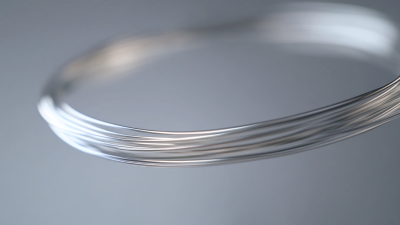
You know, the introduction of Micro Guide Wire technology really marked a major breakthrough in minimally invasive procedures. It’s totally changed the game when it comes to patient care and how surgeries are done. These tiny wires, known for their incredible precision and flexibility, have become pretty much indispensable for modern healthcare pros. They make procedures safer and more effective across a bunch of specialties. I recently came across a report from MarketsandMarkets that says the global market for micro guide wires is expected to hit around USD 1.2 billion by 2025. That just shows how much demand there’s growing for these innovative tools, especially in endovascular and interventional procedures. At Tianck Medical Co., Ltd., we’re really focused on pushing healthcare forward with products designed for precision. We’re always trying to keep up with what medical professionals need and, at the same time, help improve patient outcomes worldwide. By leveraging the benefits of Micro Guide Wires, we’re working on new innovations that are making minimally invasive techniques even better — which means better care for patients and easier procedures for doctors alike.
Benefits of Micro Guide Wire in Targeted Delivery Systems
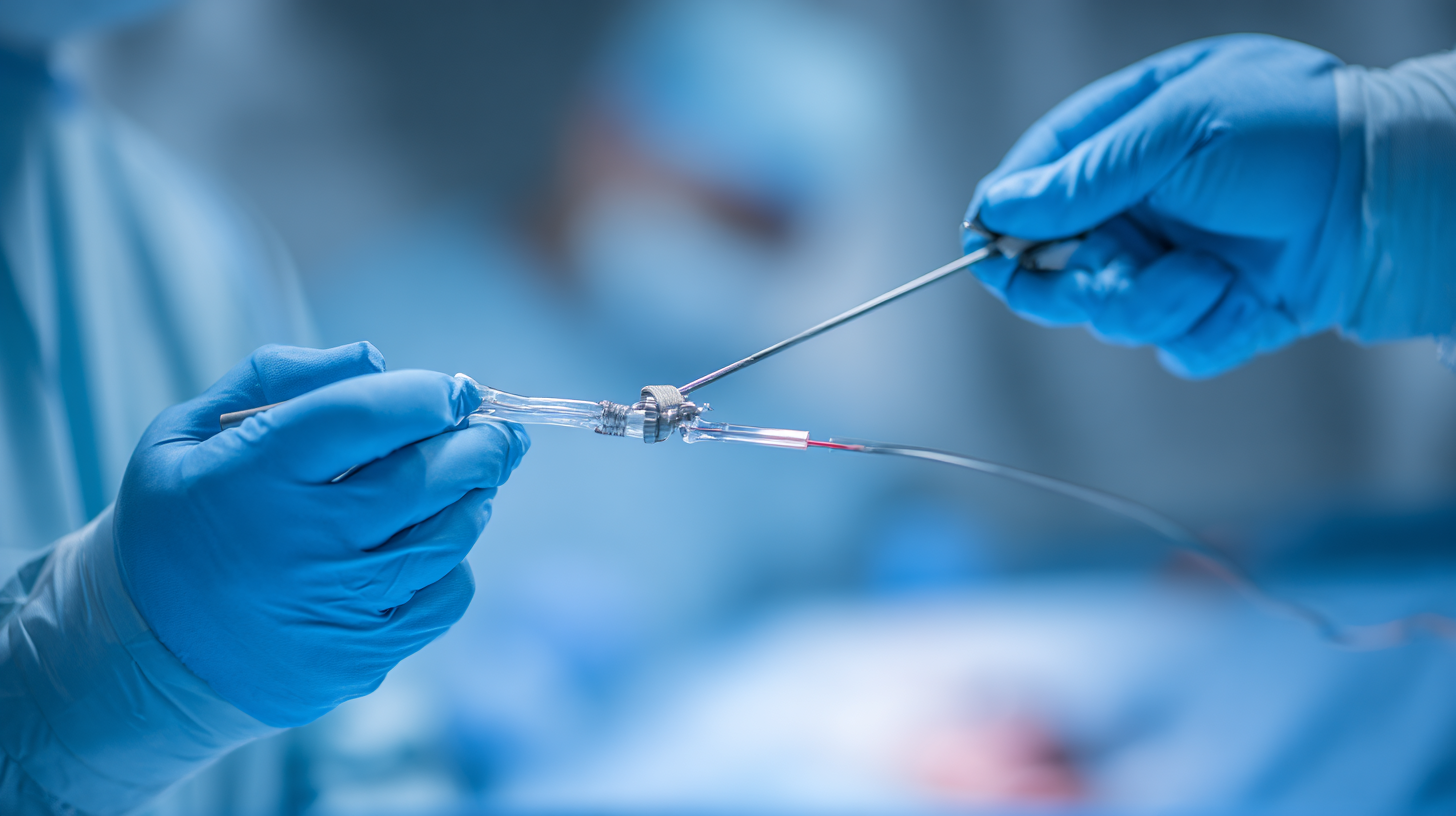
You know, the introduction of tiny micro guide wires in minimally invasive procedures has really turned things around when it comes to targeted drug delivery. They're a game-changer because they help navigate those tricky, complex body pathways with precision, making sure that the medicine goes exactly where it’s supposed to. And the best part? They help avoid damaging healthy tissues around, so patients tend to recover faster and face fewer risks overall.
But wait, it gets even cooler! Recent tech breakthroughs in microrobots are taking things a step further. Imagine tiny robots that you can swallow — yep, systemic microrobots — that can release meds right at the perfect spot. This means doctors can control dosing way better and cut down on those nasty side effects that sometimes spread everywhere in your body. Plus, there are these flexible, bioelectronic devices that can deliver drugs electronically, so treatment happens exactly when and where it's needed.
All in all, as minimally invasive treatments keep improving, blending these super tiny guide wires with newer drug delivery tech is honestly pushing medicine into a whole new era — more personalized, effective, and less invasive than ever before.
Enhanced Precision in Vascular Access Techniques
Lately, micro guide wires are really making a name for themselves in the world of minimally invasive vascular procedures. You know, with over 30 million procedures happening worldwide each year, there's definitely a big need for tools that are both precise and safe. Micro guide wires, being super fine and flexible, are game-changers—they make it way easier to reach tricky spots in the body, which means fewer complications and better outcomes for patients. At Tianck Medical, we're all about pushing the envelope and coming up with innovations that really meet the needs of doctors and patients alike. Our precision-designed micro guide wires don’t just help with Vascular Access—they also boost the effectiveness of various procedures across different medical fields.Recently, industry reports mentioned that using these advanced wires can cut down procedure times by up to 20%. That’s pretty impressive when you think about how much more efficient surgeries can be. As healthcare keeps evolving, we’re committed to creating top-quality products that support the future of minimally invasive treatments and make a real difference.
Facilitating Complex Procedures with Advanced Micro Guide Wire Designs
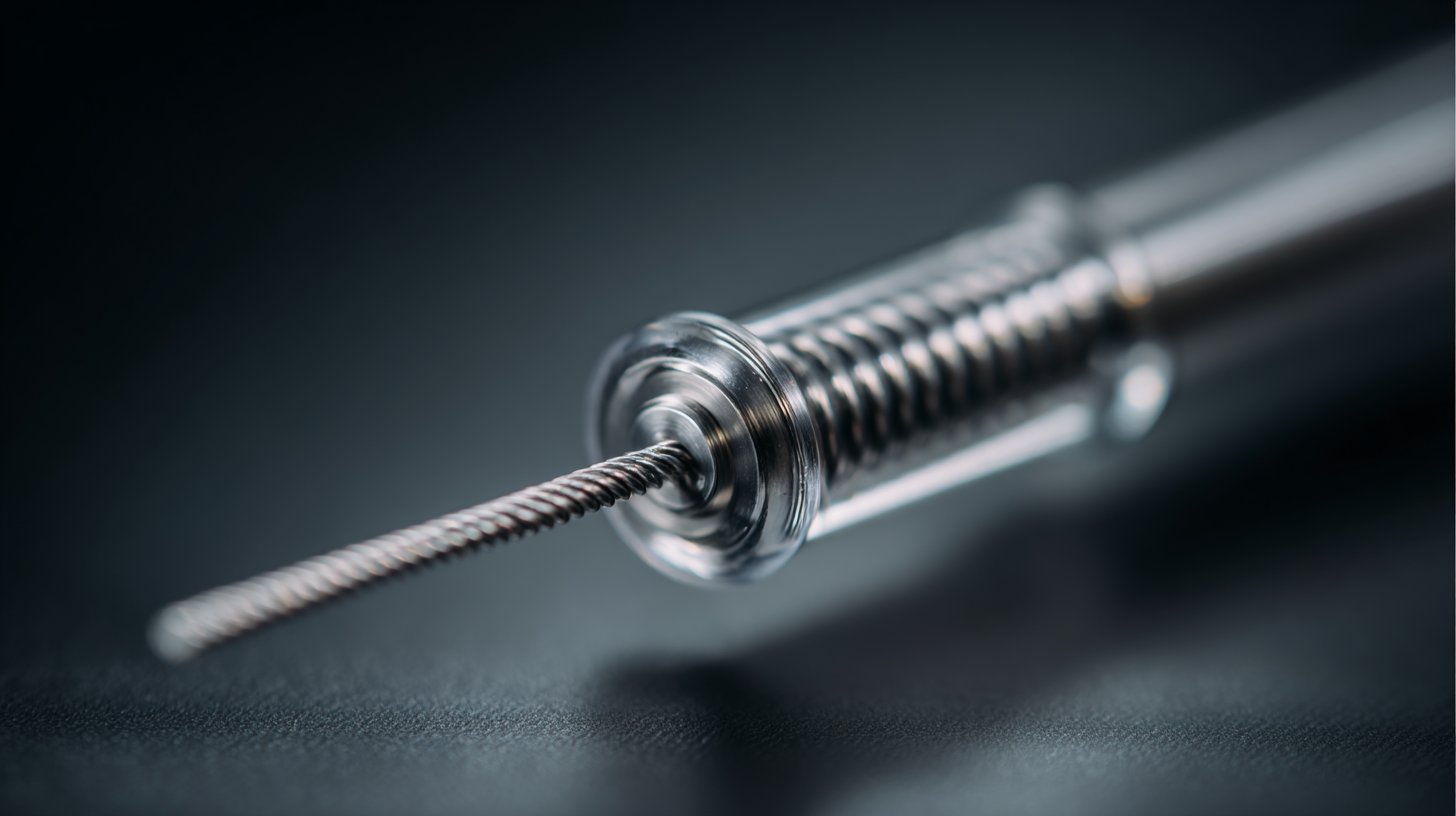
You know, the progress with micro guide wires has really changed the game when it comes to minimally invasive procedures. Now, doctors can steer these tiny wires through even the trickiest parts of the body's anatomy with incredible accuracy. The newer designs are pretty amazing—they’re super thin but also flexible enough to bend and twist through winding pathways inside the body. This means surgeons can reach areas that before were pretty much off-limits, making treatments like angioplasties, placing stents, or doing endoscopies safer and more effective.
And it doesn’t stop there. Thanks to some clever use of new materials and tech, micro guide wires are getting even better. For example, some now come with hydrophilic coatings—they help the wires glide smoothly through blood vessels by reducing friction. Others have built-in imaging features, giving real-time visuals to guide the procedure perfectly. All of these improvements mean better results for patients, shorter recovery times, and fewer complications. It’s a big step forward in minimally invasive surgery. And honestly, as research keeps pushing the boundaries, I think we’re only going to see these wires becoming even more vital for tackling complex medical challenges down the line.
Improving Patient Outcomes through Reduced Procedure Times
Micro guide wires have really changed the game when it comes to minimally invasive procedures. They’ve made a big difference in patient outcomes, mainly by cutting down the time it takes to do these procedures. These tiny wires are specially designed to weave through tricky blood vessels with great precision, making it easier for doctors to reach specific spots. Because they’re so thin and flexible, they also cause less damage to the surrounding tissues, which not only makes the whole process safer but also helps patients recover faster.
Using micro guide wires speeds up things like catheter insertions or stent placements, so everything tends to go a lot smoother and quicker. That shorter procedure time isn’t just convenient—it actually lowers the risk of complications like infections or bleeding. Plus, patients often end up staying in the hospital for less time, which is a win for everyone — it frees up beds and resources, and lets hospitals treat more people efficiently. As technology keeps advancing with these micro guide wires, I think we’ll see them playing an even bigger role in making minimally invasive surgeries more effective and patient-friendly. It’s pretty exciting to imagine how patient care in this field will keep improving down the line.
Innovative Applications in Neurovascular Interventions
You know, when it comes to neurovascular interventions, micro guide wires are really making a huge difference. They're not just tiny tools anymore; they're changing the game in minimally invasive procedures. As tech keeps getting smaller and more advanced, innovations like the 2.5:1 peelable heat-shrink tubing show how committed the field is to making devices more efficient and effective. It’s pretty exciting — the global market for neurovascular devices is expected to jump from around USD 3.74 billion in 2024 to about USD 4.08 billion in the next few years, highlighting just how much demand there is for these cutting-edge solutions.
And let’s not forget about imaging during surgery — it’s becoming more and more vital for ensuring good outcomes. Techniques like laser speckle contrast imaging are now practically essential for checking blood flow in the neurovascular system, especially in busy ERs or ICUs where quick decisions are crucial. Considering stroke remains one of the leading causes of long-term disability, innovations like robotic-assisted clot removal really emphasize how we're pushing for better devices to tackle these urgent medical issues. All in all, everyone involved in this market seems focused on coming up with smarter, safer solutions for patients, aiming to cut down complications after surgery — it’s pretty inspiring.
Innovative Applications of Micro Guide Wire in Minimally Invasive Procedures - Innovative Applications in Neurovascular Interventions
| Application Area | Technique | Advantages | Clinical Outcomes |
| Cerebral Aneurysm Coiling | Hydrophilic micro guide wires | Enhanced navigability and flexibility | Reduced complication rates |
| Intracranial Thrombectomy | Supportive micro guide wire techniques | Improved clot retrieval efficiency | Higher rates of reperfusion |
| Stenting for Carotid Artery | Microwire-assisted delivery systems | Minimized vessel trauma | Lower morbidity rates |
| Brachytherapy for Brain Tumors | Micro guide wire positioning | Precision in targeting | Improved survival rates |
| Vascular Access Techniques | Micro wire access through small lumens | Facilitates access to difficult anatomy | Decreased time in procedure |
Expanding Usage in Gastrointestinal and Urological Procedures
Lately, using micro guide wires in minimally invasive procedures has really picked up steam, especially in fields like gastroenterology and urology. If you look at the latest report from MarketsandMarkets, the global market for these tiny surgical tools is expected to hit around $50 billion by 2026 — and a big reason for that growth is advancements in technology, like micro guide wires. These small but mighty tools allow doctors to navigate tricky anatomical pathways with much more precision. That means less discomfort for patients and quicker recoveries, which is pretty awesome.
In the realm of gastrointestinal treatments, micro guide wires have truly changed the game for endoscopic procedures. For instance, a study in the Journal of Gastroenterology showed that when they added micro guide wires to ERCP procedures, the rate of successful cannulation jumped from about 70% to nearly 90%. And in urology, their use has expanded well beyond the basics. Now, they’re helping with more complex stone removals and biopsies—while also cutting down on complications. As more urologists start using these tools, patient satisfaction scores have gone up pretty noticeably, which really highlights how valuable they’ve become in today’s medical practice.
FAQS
: Micro guide wires are specialized tools designed for minimally invasive procedures, which improve patient outcomes by reducing procedure times, minimizing trauma to surrounding tissues, enhancing safety, and accelerating recovery.
Micro guide wires streamline procedures like catheterizations and stent placements, leading to shorter operation times, which correlates with lower risks of complications such as infections or bleeding.
Faster procedures facilitated by micro guide wires can lead to shorter hospital stays, freeing up resources that enable healthcare facilities to treat more patients efficiently.
Micro guide wires are gaining momentum particularly in gastrointestinal and urological procedures, marking significant advancements in minimally invasive techniques.
In gastrointestinal procedures, specifically during endoscopic retrograde cholangiopancreatography (ERCP), micro guide wires have improved cannulation rates from 70% to nearly 90%.
In urology, micro guide wires facilitate complex stone removal and biopsy techniques, resulting in reduced complication rates and higher patient satisfaction scores.
The global market for minimally invasive surgical instruments is expected to reach $50 billion by 2026, driven by innovations including micro guide wires.
Micro guide wires’ thin and flexible structure allows surgeons to navigate complex anatomical structures with greater precision, leading to improved patient outcomes and reduced discomfort.
The continued evolution of micro guide wire technology is likely to enhance the efficiency and effectiveness of minimally invasive surgeries, significantly reshaping patient care in the medical field.
Conclusion
So, I read this article titled "Innovative Applications of Micro Guide Wire in Minimally Invasive Procedures," and honestly, it’s pretty fascinating how much Micro Guide Wires are changing the game in medical procedures. The piece points out how these tiny wires, with their smart, precision-engineered designs, make it way easier to access blood vessels accurately — kind of like having a super-precise tool in your hands. And yeah, the tech has come a long way — now, it doesn’t just make complicated procedures smoother but also helps cut down the time docs spend in the OR, which, of course, means better outcomes for patients.
They also talk about how Micro Guide Wires are stepping into new roles, especially in brain-related procedures like neurovascular interventions, and they’re starting to see more use in GI and urological treatments too. It’s clear that Tianck Medical Co., Ltd. is really dedicated to pushing healthcare forward with their innovative, high-precision products. All in all, these advancements are helping medical pros do a safer, more effective job, and that’s a win for everyone involved.