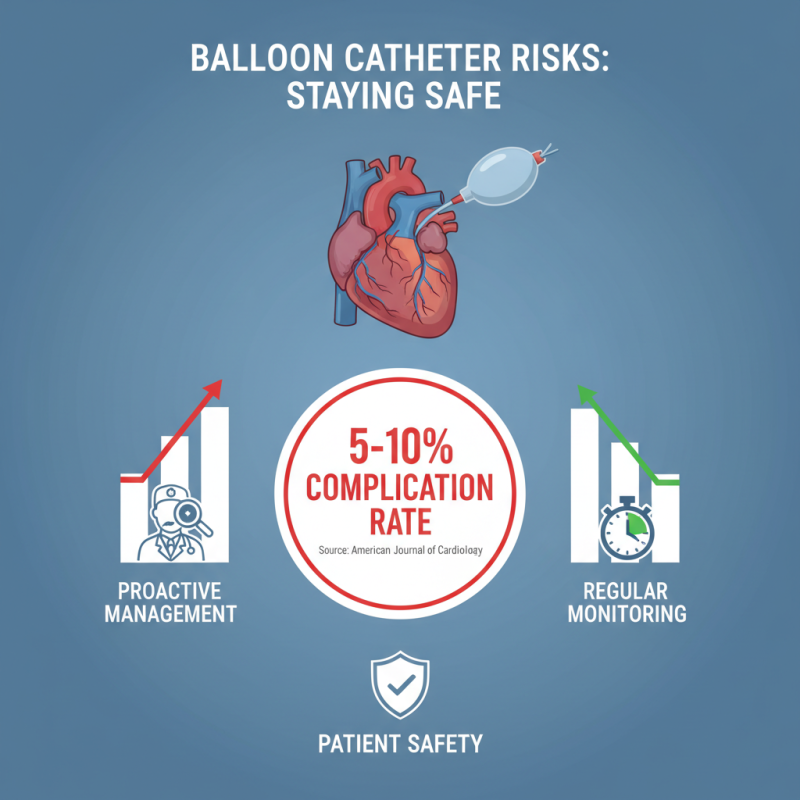
When it comes to medical procedures, the Balloon Catheteris actually a pretty handy tool. I remember Dr. Sarah Thompson—she’s a well-known expert in interventional cardiology—once said that using a Balloon Catheter the right way can really make a big difference in how well patients do. Basically, this device has a couple of main jobs: it can open up narrow passages in the body and even deliver medications directly where they’re needed.
That said, using a Balloon Catheter isn’t always straightforward. It takes a good deal of skill and attention to detail to get it just right. Doctors and specialists need to really understand the anatomy they’re working with and the specific issue they’re trying to fix. Every procedure requires some careful planning and thinking ahead. Of course, mistakes happen, but I think they’re a great chance to learn and get better.
Adding a Balloon Catheter into the mix can definitely boost efficiency in treatments. But it’s super important to be aware of potential complications, so ongoing education and practice are key. Looking back at what went well (and what didn’t) in past procedures helps refine techniques over time. Honestly, having the right knowledge and experience can really make a difference when it comes to patient care—and that’s what it’s all about.
Overview of Balloon Catheters in Medical Procedures
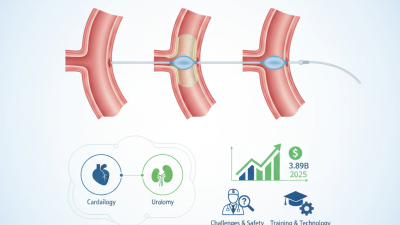
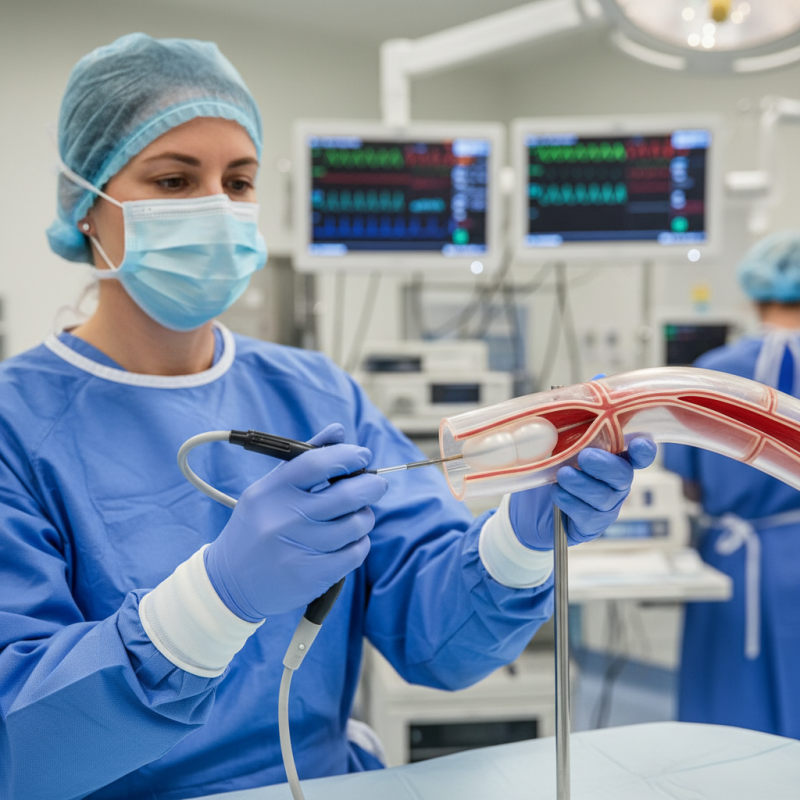
Balloon catheters are crucial tools in various medical procedures, offering both precision and efficacy. These devices are widely used in vascular surgeries, cardiology, and urology. A recent industry report indicated that the global market for balloon catheters is expected to grow by 7.8% annually, reflecting their importance in modern medicine. They allow for dilating narrowed vessels or ducts, making them indispensable for treating conditions like stenosis.
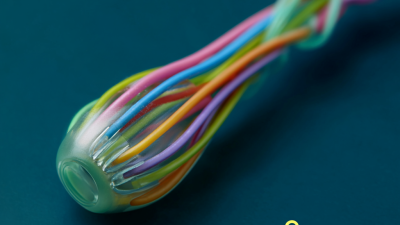
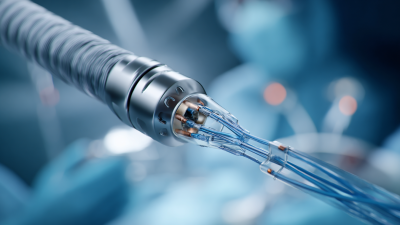
The mechanics of balloon catheters are quite fascinating. They consist of a flexible tube with an inflatable balloon at the tip. When inserted, the balloon can be inflated to widen the passageway. This is vital for improving blood flow in conditions like coronary artery disease. However, the technique requires significant skill.
There are risks involved, such as vessel rupture or improper placement. A study found that complications occur in about 3% of procedures, emphasizing the need for careful training.
Moreover, balloon catheters are not without limitations. They may not be suitable for all patients, particularly those with severe calcification or complex vascular anatomy. The variability in patient responses to treatment calls for ongoing research on device designs. Continuous refinement of materials and technology is essential for minimizing complications and improving outcomes.
Types of Balloon Catheters and Their Uses
Balloon catheters are vital tools in various medical procedures. They come in different types, each designed for specific uses. For instance, the angioplasty balloon is used to open narrowed or blocked blood vessels. This helps restore blood flow in conditions like coronary artery disease.
Another type is the bladder balloon catheter. It is often used for patients with urinary retention. This catheter helps relieve discomfort by allowing a controlled intake of fluids. Remember, the proper selection of the catheter type is crucial. Using the wrong type can lead to complications.
Tips: Before using a balloon catheter, ensure that the team is familiar with the procedure. Check the catheter size to match the intended use. Communication among team members is essential to avoid mistakes during the procedure.
Overall, while balloon catheters can be lifesaving, there are risks involved. Improper technique can lead to injuries or infections. Training and practice can mitigate these risks. Always reflect on previous experiences to enhance future applications.
Preparation Steps Before Using a Balloon Catheter
Preparation is crucial when using a balloon catheter for medical procedures. Understanding the specific requirements can greatly enhance the procedure's success. Prior to using a Pta Balloon Catheter, ensure that all necessary equipment is readily available. This includes sterile gloves, contrast media, and appropriate imaging tools. A clean and organized workspace helps streamline the process.
Pay attention to patient identification and consent. Verify the patient’s medical history, especially allergies to contrast agents. This step is often overlooked but is vital for safety. Practitioners should be aware that complications can arise from negligence during this stage. A recent report indicated that 5% of procedures face unexpected challenges due to insufficient preparation.
Tips: Always double-check equipment functionality before starting. An untested balloon catheter can lead to delays and procedural errors. Ensure that the balloon is the right size for the intended task. Rushing through preparation can result in serious oversight.
Prepare an emergency response plan tailored to the procedure. This not only fosters a safe environment but also builds confidence among team members. A calm atmosphere can enhance focus during the procedure. Focusing on these details can make a meaningful difference in patient outcomes.
Balloon Catheter Usage Preparation Steps
Step-by-Step Guide to Inserting a Balloon Catheter
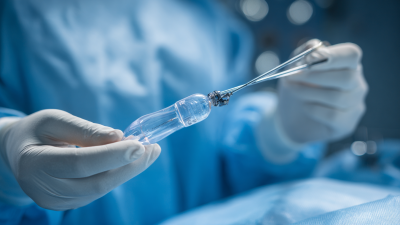
Inserting a balloon catheter requires careful attention to detail. Begin by preparing the necessary equipment. Ensure everything is sterilized. The balloon catheter must be within easy reach. This step is crucial for success.
Next, gently insert the catheter into the designated area. Monitor the patient's comfort throughout the process. Communication is vital. Explain each step clearly. Difficulty may arise during insertion. If resistance is felt, pause and reassess the angle. Avoid forcing the catheter, as this can cause damage.
Once correctly positioned, inflate the balloon cautiously. This action opens the area for treatment. Observe the patient for any adverse reactions. Adjustments may be needed. Using a Ptca Balloon Catheter helps in many cases, but it isn't foolproof. Reflect on the challenges encountered and learn from them for future procedures.
Post-Procedure Care and Follow-Up for Patients
Post-procedure care is an essential part of patient recovery after using a balloon catheter. After the procedure, patients may experience mild discomfort or slight bleeding. It's important to monitor these symptoms closely. If pain increases or bleeding becomes heavy, patients should contact their healthcare provider immediately. Regular follow-ups can help manage any complications and ensure proper healing.
Patients need to stay aware of signs of infection, such as fever or unusual discharge. Keeping the area clean is crucial. A gentle cleansing routine can help prevent irritation. Encourage patients to take prescribed medications to manage pain and reduce the risk of infection. Sleep is also important. Adequate rest aids recovery significantly.
Follow-up appointments are vital to assess the effectiveness of the procedure. During these visits, healthcare professionals evaluate healing progress. Open communication about any lingering issues is important. Many patients may feel anxious or unsure about their recovery. It's okay to express those feelings. Addressing them can improve the overall experience and lead to better outcomes.
How to Use Balloon Catheter for Medical Procedures? - Post-Procedure Care and Follow-Up for Patients
| Parameter | Description | Post-Procedure Care | Follow-Up Actions |
| Indications | Conditions for balloon catheter use such as stenosis or occlusions. | Monitor for pain or discomfort at the site of insertion. | Schedule a follow-up visit within a week to assess healing. |
| Procedure Time | Typical duration of the balloon catheterization process. | Ensure the patient is stable before discharge. | Call the patient after 48 hours to check for complications. |
| Risks | Detailed analysis of potential complications. | Advise on signs of infection or allergic reactions. | Plan for imaging studies if symptoms arise. |
| Patient Instructions | Post-procedure activity restrictions and care. | Provide information on pain management. | Encourage adherence to follow-up appointments. |
Best Practices for Cleaning and Maintaining Balloon Catheters
Cleaning and maintaining balloon catheters is vital for effective medical procedures. After each use, it is crucial to follow specific cleaning protocols. Begin by rinsing the catheter with sterile saline to remove any debris. A soft brush can help reach crevices. It's important to ensure all parts are clean and free from blood residue. Some practitioners overlook the inner surfaces, which may harbor contaminants.
Storage is another critical aspect. Balloon catheters should be kept in a cool, dry place. Exposure to moisture can lead to mold growth. Regularly inspect the storage areas for any signs of contamination. A responsible practice is to label and date each catheter. It’s easy to assume that a catheter is still in good condition, but you may find hidden defects upon closer inspection. Using a Cutting Balloon Catheter could enhance results, but remember, it must be well maintained to function effectively.
Lastly, always maintain an open dialogue with your team about the condition of equipment. Share observations and practices. There is always room for improvement. Education on new cleaning techniques can elevate standards. Being proactive about maintenance can prevent complications during procedures.
Conclusion
Balloon catheters are specialized medical devices used in various procedures to achieve dilation in narrow areas of blood vessels or other passages. The article outlines the different types of balloon catheters and their specific applications in medical settings. It emphasizes the importance of thorough preparation before the use of a balloon catheter, including patient assessment and equipment readiness.
A step-by-step guide for the insertion of a balloon catheter is provided, along with crucial tips for monitoring and managing any complications that may arise during the procedure. Post-procedure care and follow-up are essential to ensure optimal recovery and outcomes for patients. Additionally, best practices for cleaning and maintaining balloon catheters are discussed, guiding healthcare professionals to ensure the longevity and effectiveness of these important tools in medical interventions.